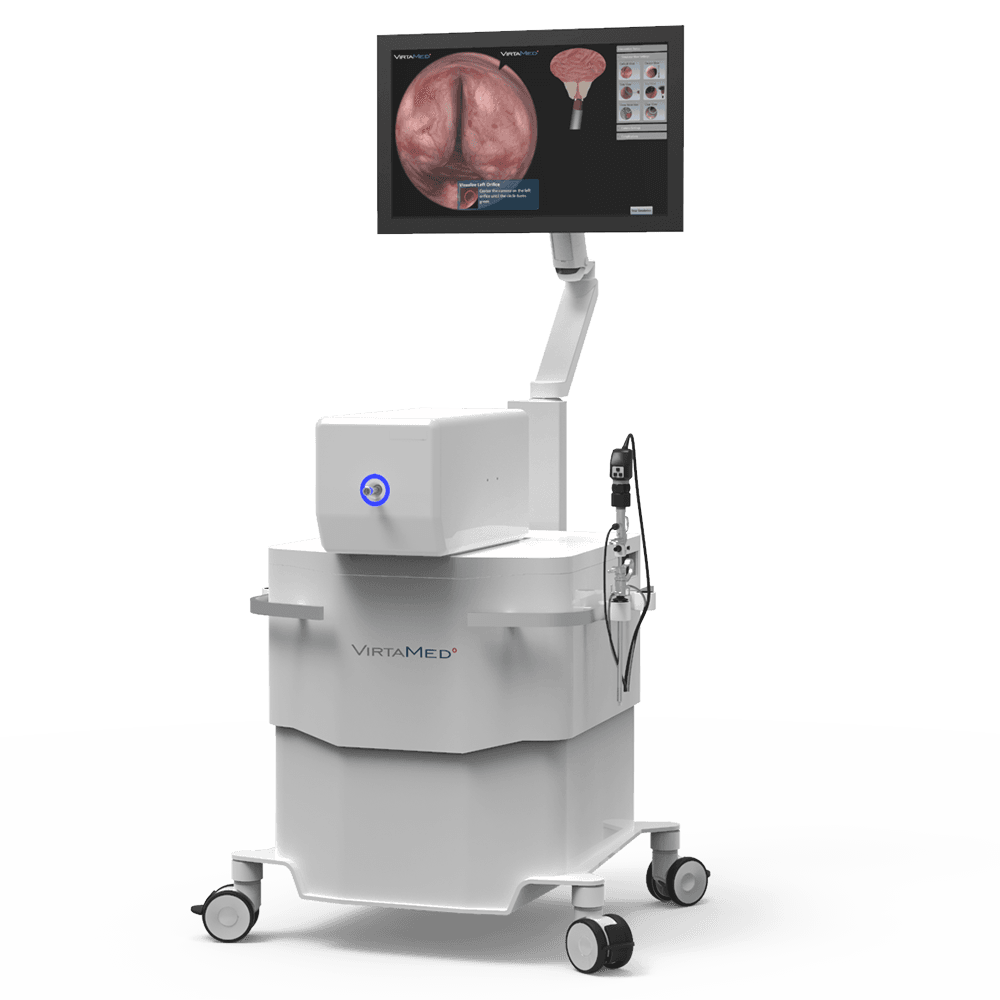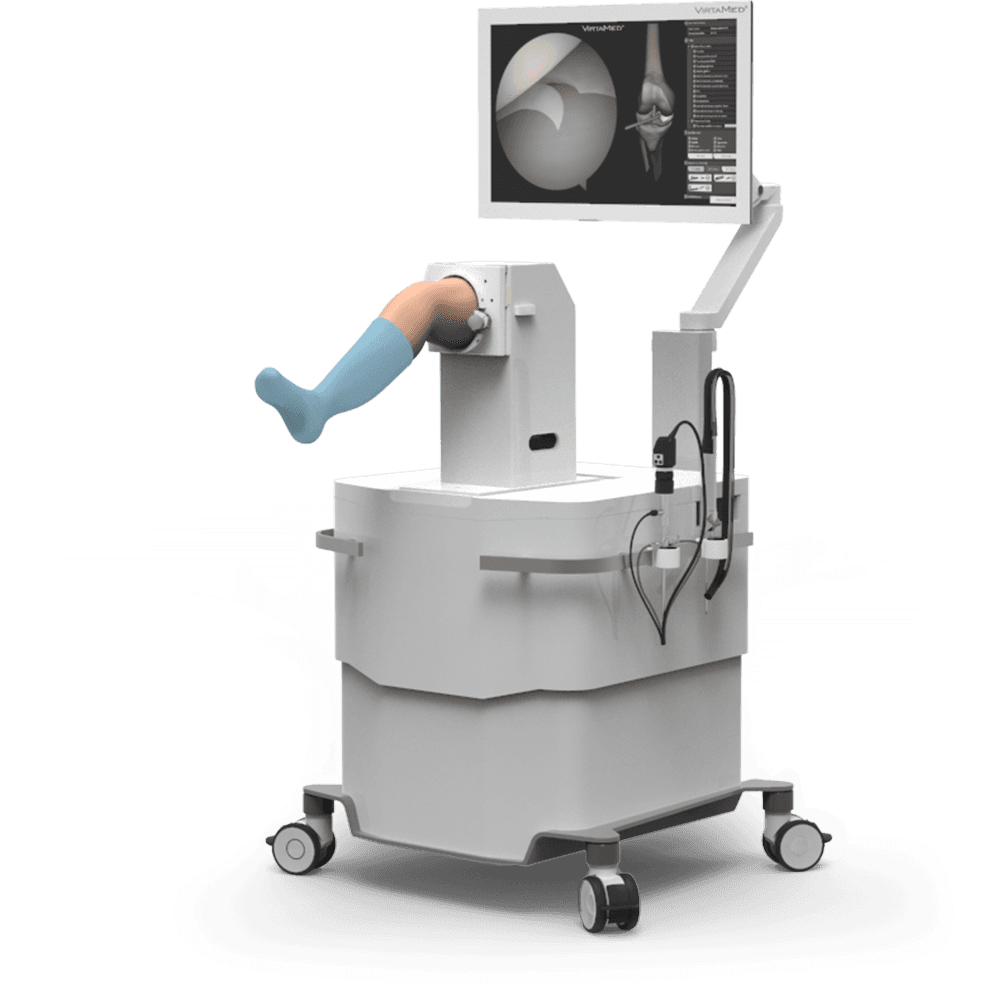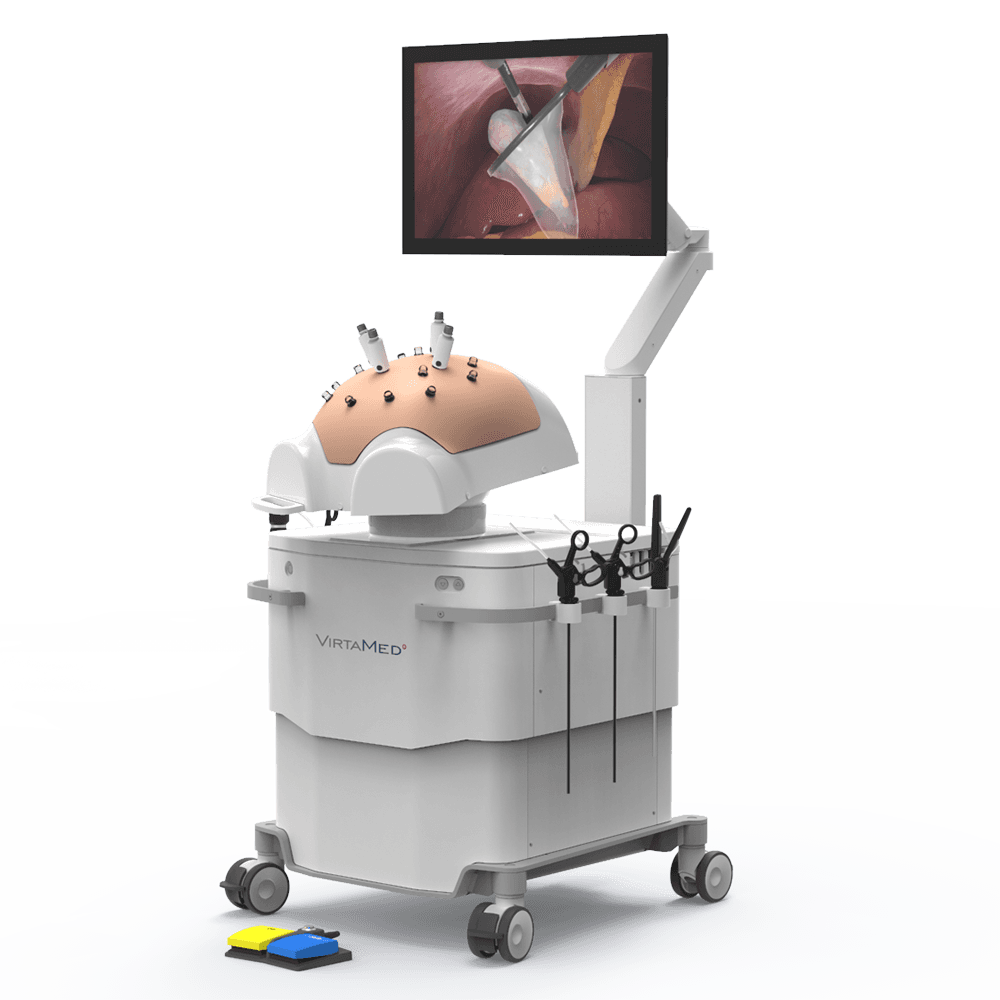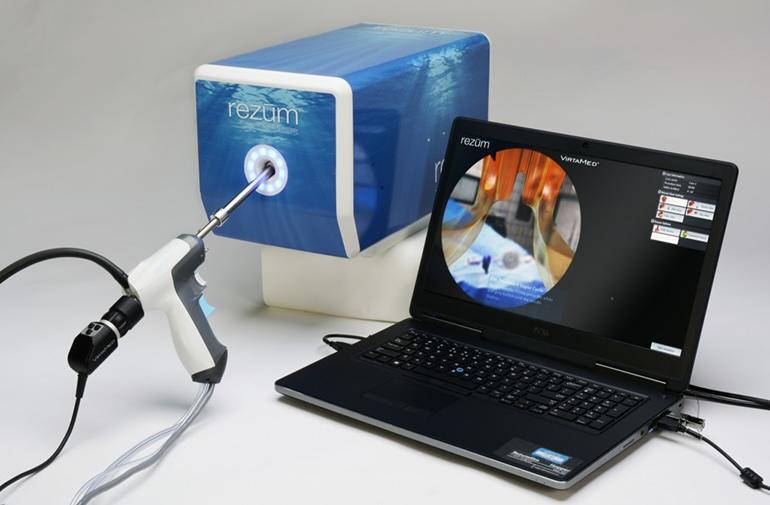
Mixed reality
Real instruments, real graphics, real feel
Our expertise
Put your devices in the hands of surgeons for the ultimate realistic and risk-free training.
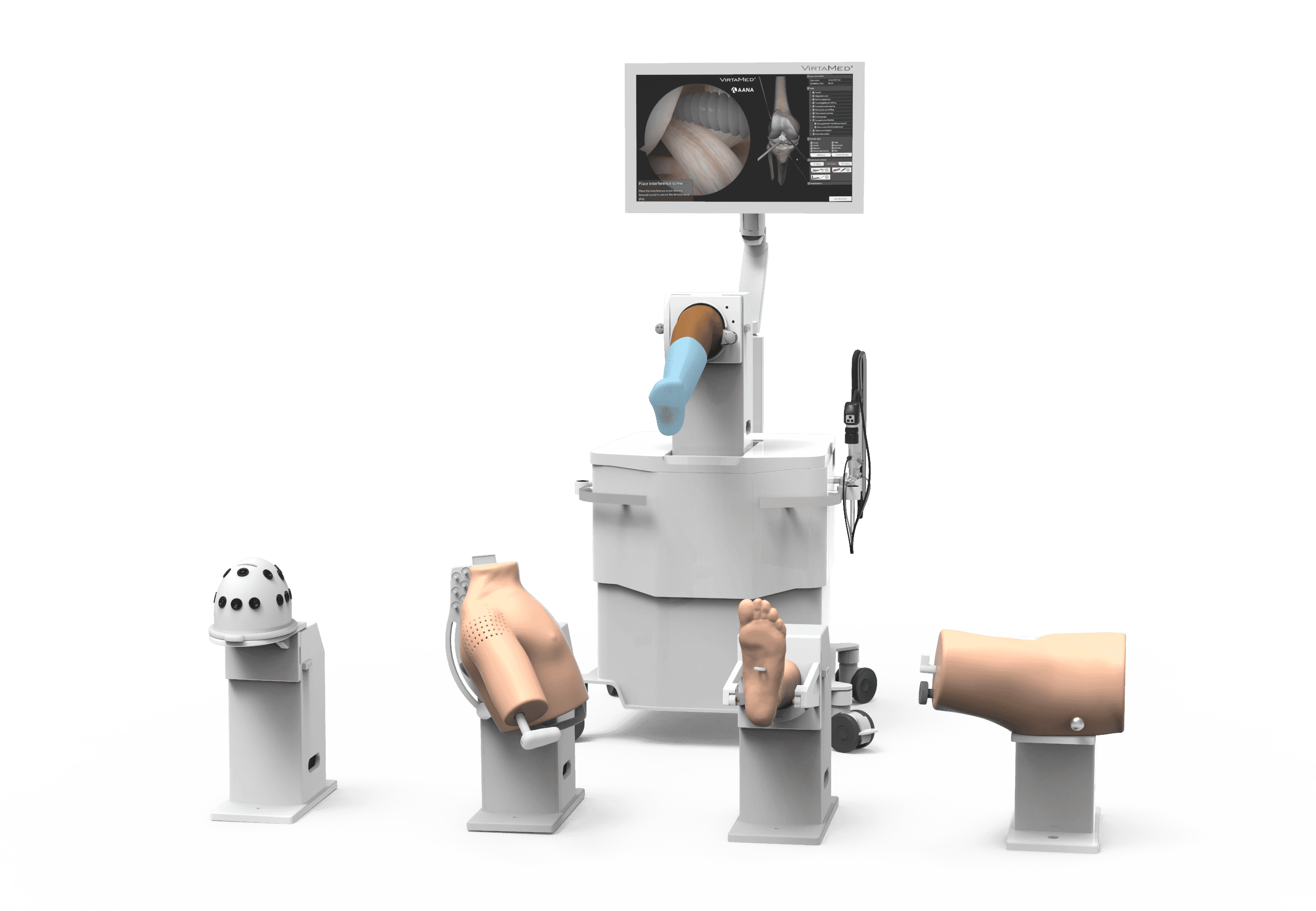
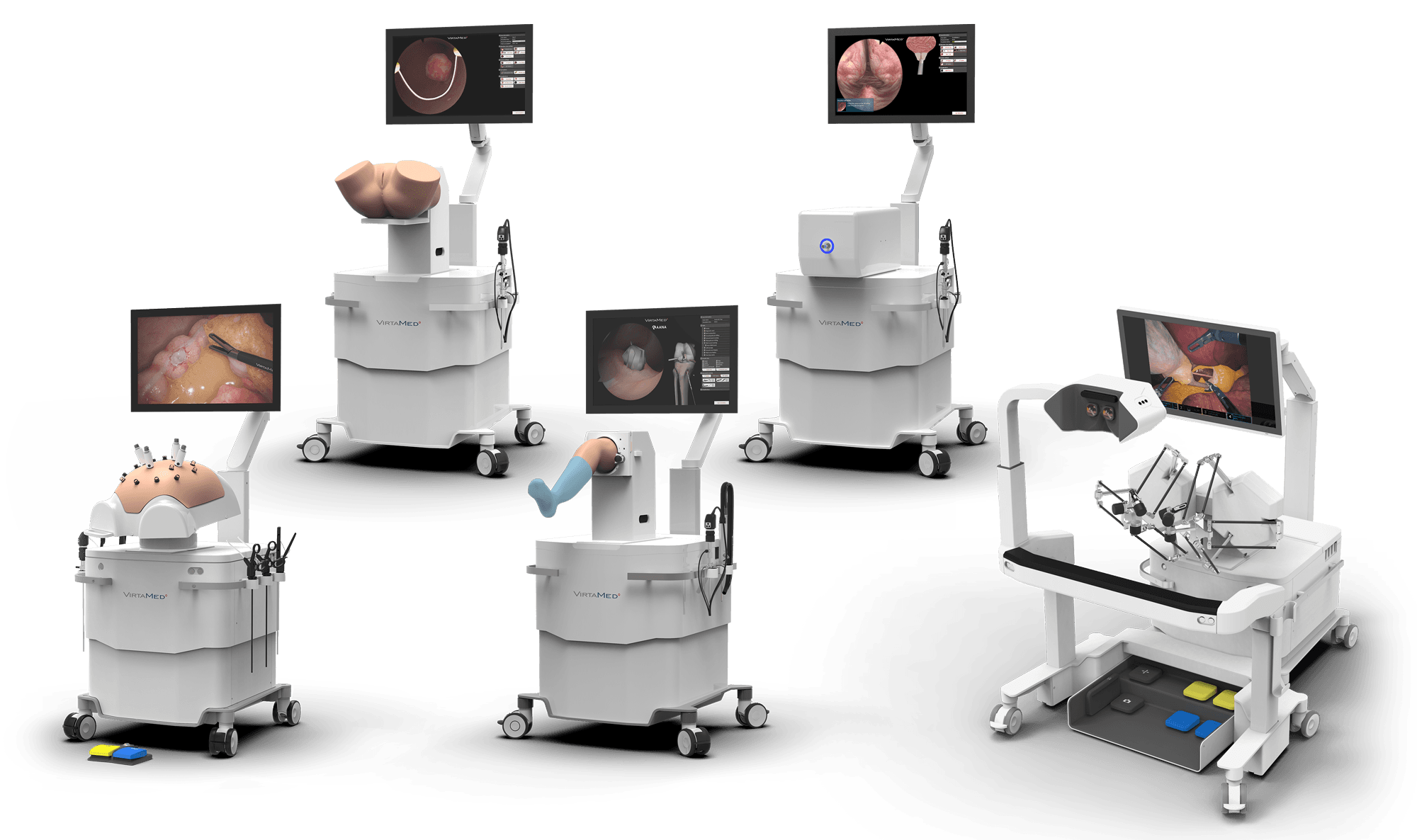
VirtaMed's award-winning, patented mixed reality simulators are a unique combination of sensorized original surgical instruments, advanced haptic interfaces, and the latest in computer graphics. Together they enable a fully digitized learning journey.
Solutions
Real instruments
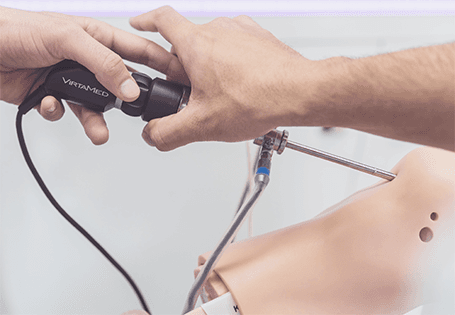
Your instruments can be integrated into hands-on simulation training, and operative elements accurately replicated on screen.
Give surgeons a familiar feeling of your devices in their hands. Our engineering teams have decades of experience in adapting medical devices for use in simulation. VirtaMed's technology can track instrument movements with sub-millimeter accuracy alongside a virtual 3D model.
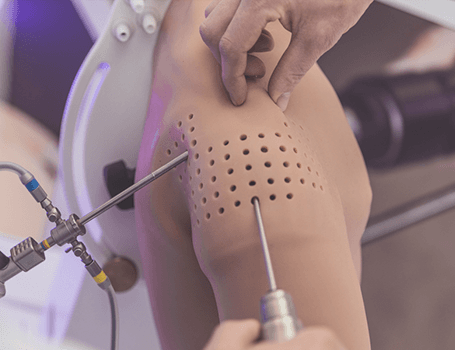
Real feel
Your protocols and procedures can be practiced with lifelike anatomical models that can be reused time after time.
VirtaMed's haptic technologies have been independently validated as providing the most realistic tactile and tissue feedback. Our solutions combine smart anatomical rubber models with active haptic elements to accurately replicate diagnostic and therapeutic procedures. Advanced physics simulation gives surgeons the most realistic interaction with each individual organ and tissue.
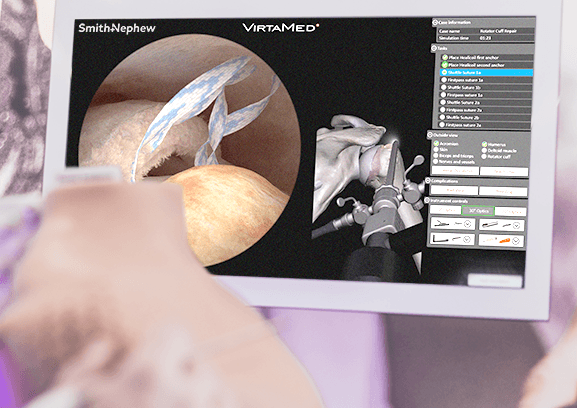
Real graphics
Your target pathologies can be replicated at different difficulty levels, with on-demand complications and pre-set adverse events.
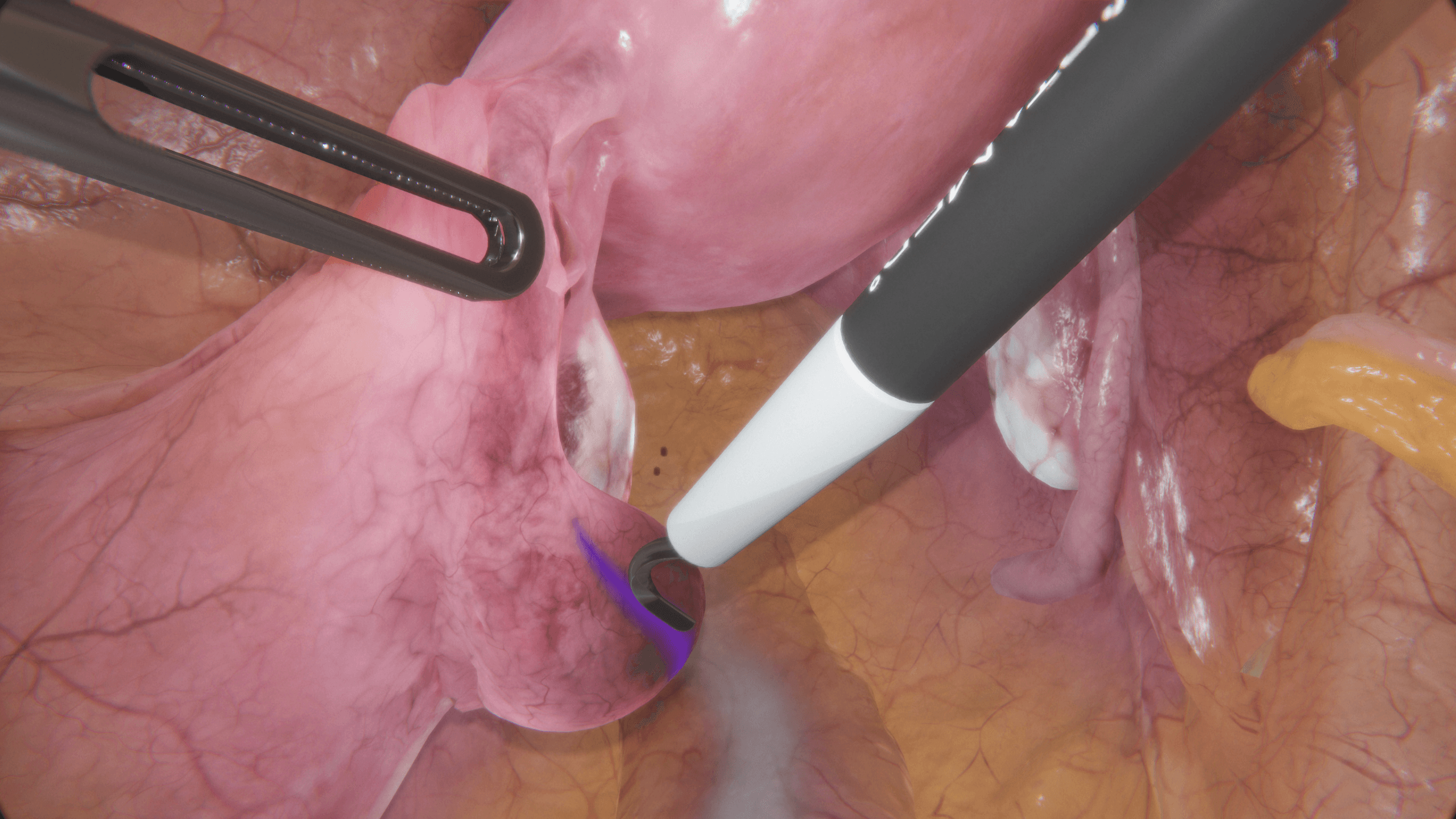
Two decades of research into computer science enables us to create photorealistic graphics for an unrivalled range of imaging technology, including endoscopy, fluoroscopy and ultrasound. Augmented reality gives surgeons optional intraoperative simulation guidance to improve understanding of the anatomy and procedure.
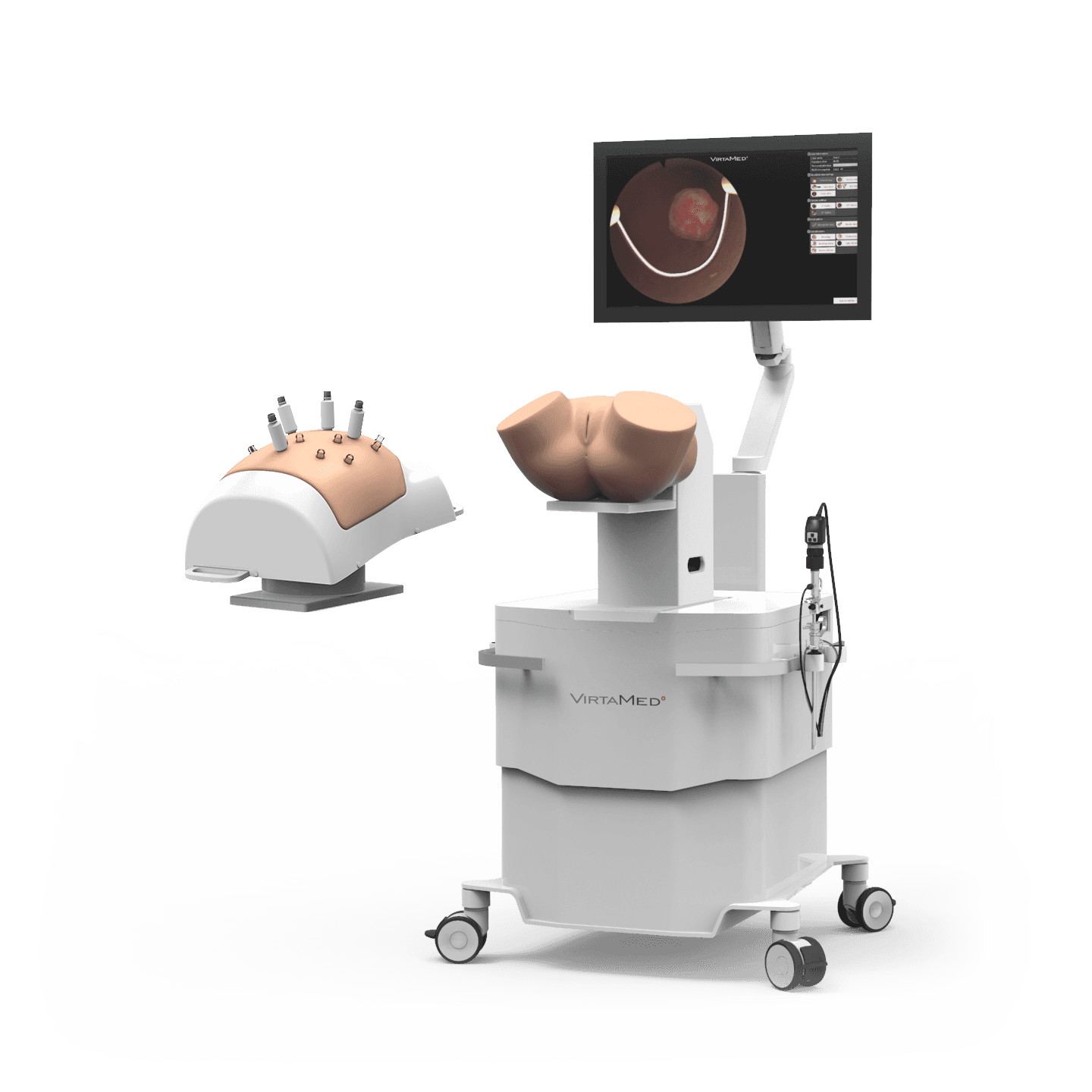
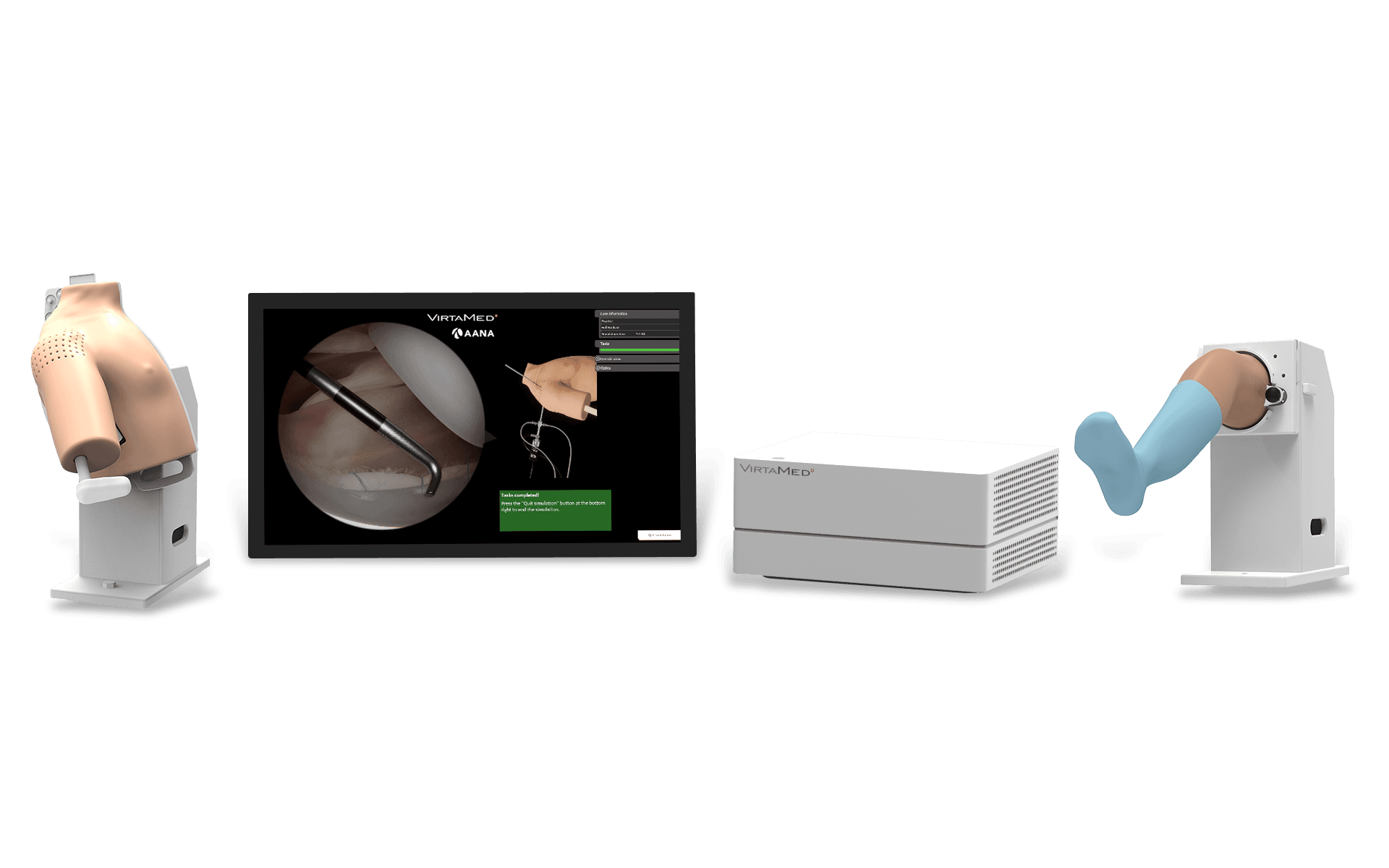
Portable and modular simulator platforms
Portable and modular simulator platforms
Technologies
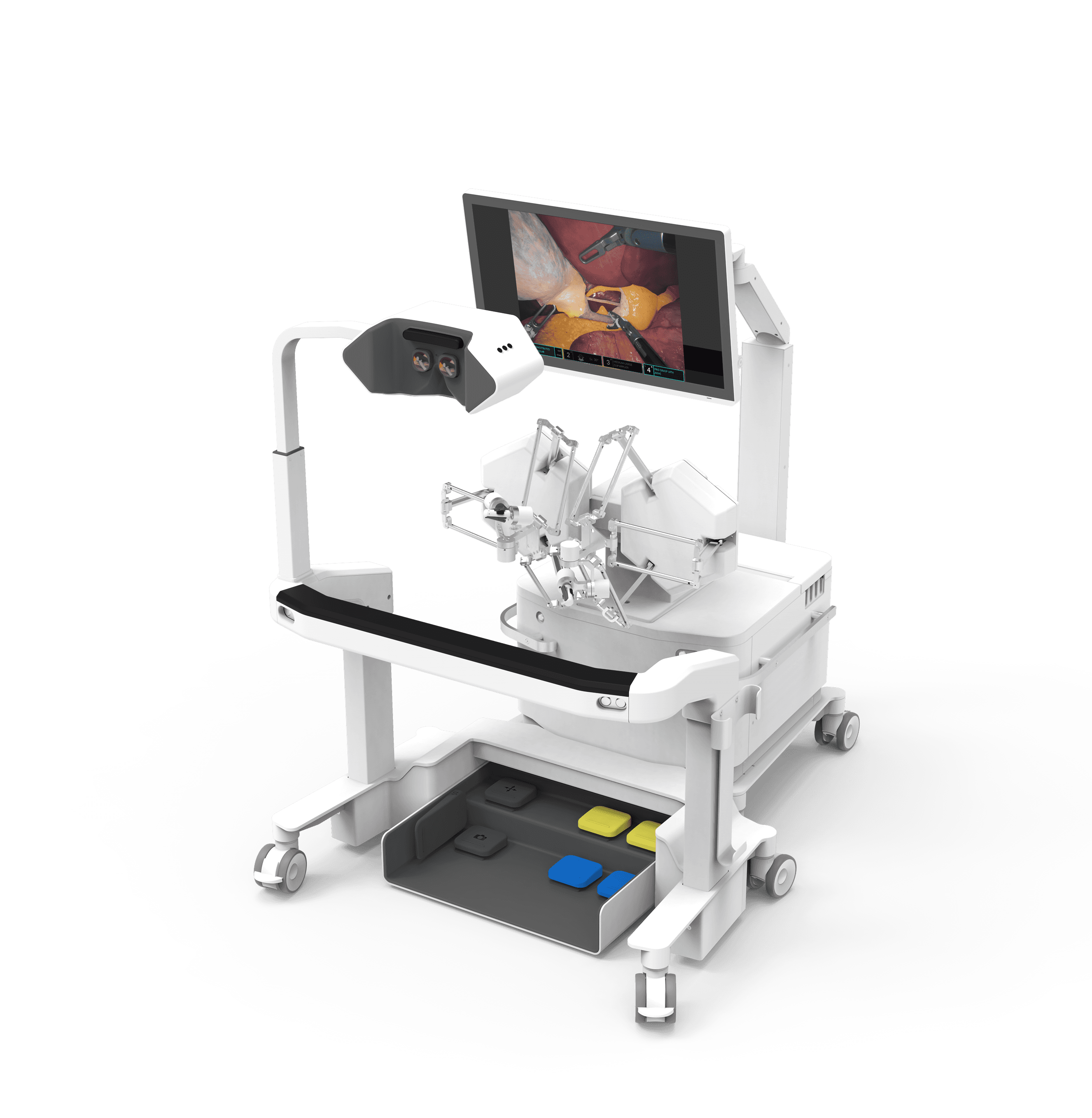
Robotic surgery
VirtaMed RoboS® is a robotic surgery simulator that enables surgeons and OR teams to develop essential robotic skills in a realistic, risk-free environment modeled on leading robotic consoles. It offers training modules for fundamental skills, advanced suturing, and team coordination, allowing surgeons and bedside assistants to practice instrument control and workflow without using a live system. Detailed performance metrics and customizable curricula support structured training and help transfer skills safely to the operating room.
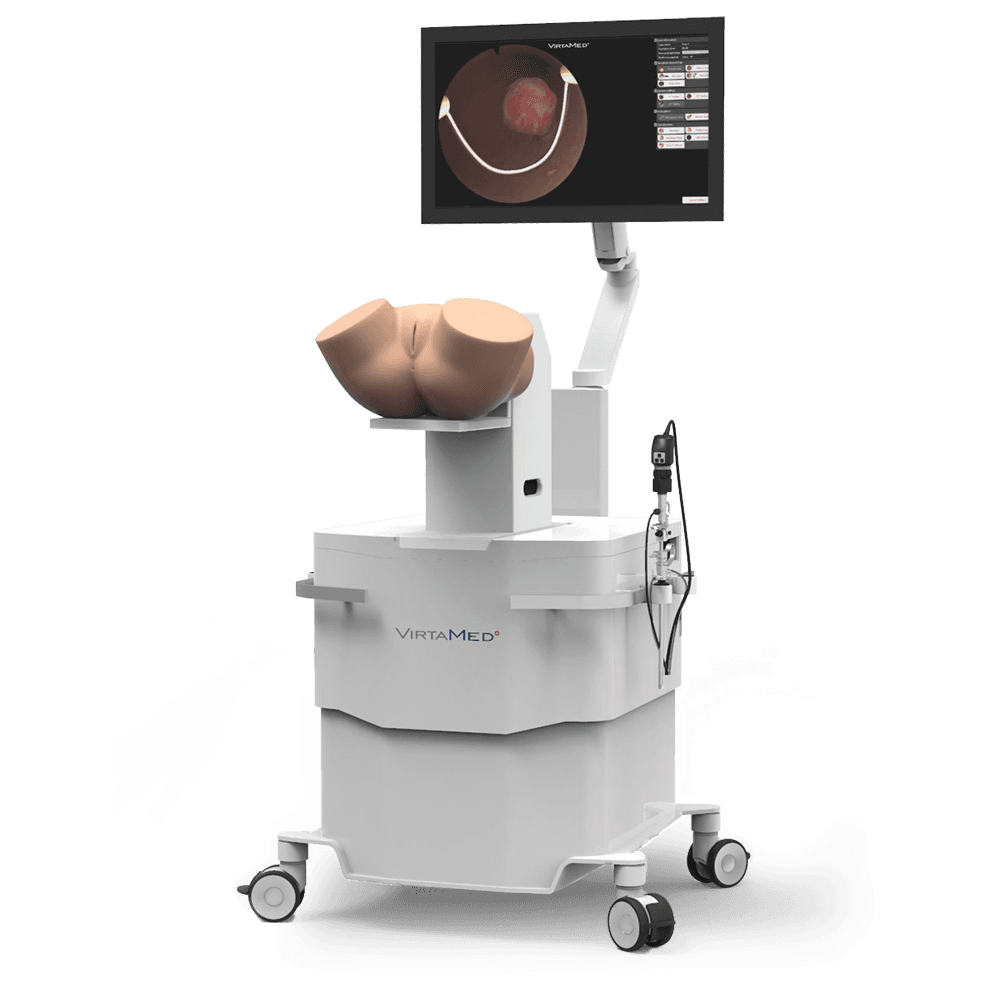
Gynecology
The VirtaMed GynoS™ covers the entire spectrum of OB/GYN training: from obstetric ultrasound, to hysteroscopy, embryo transfer, and IUD placement. It provides the most realistic training environment possible with photorealistic graphics and natural haptic feedback.
Partnership

The aim of simulation is to standardize best practices to ultimately improve clinical outcomes using skill and procedural-based metrics while reducing the learning curve to becoming proficient with the system. Virtual reality-based simulation offers physicians the opportunity to acquire the necessary skills to become technically competent prior to use in a real-world clinical setting.
Chris Klecher
Senior Vice President, Upstream Marketing, EndoQuest Robotics

We were looking for a portable solution that demonstrates the experience and advantages of Symani while providing a realistic microsurgery training environment. In VirtaMed, we’ve found a partner who shares our mission to improve patient outcomes and the quality of care through comprehensive training methods, allowing us to enrich the training experiences of our surgeons and drive adoption of robotic microsurgery.
Mark Toland
CEO of MMI

With Virtamed’s unique expertise in simulation training solutions and Aspivix’ s commitment to advancing women’s healthcare through innovation designed for clinicians with women’s experience in mind, we focused on supporting healthcare professionals with new medical education to improve IUDs placement with our Carevix. Our early adopters have been impressed by the quality, ease-of-use, and innovation of the 3D online simulator on IUD.
Together with our shared goal to improve patient care, our collaboration with VirtaMed represents an incredible opportunity to advance innovation in FemTech and revolutionize the medical education for current and future healthcare professionals in gynecology.
Mathieu Horras
CEO and co-founder of ASPIVIX

We are pleased to partner with VirtaMed, whose 15 years of experience in providing training solutions for minimally invasive transvaginal surgeries will be invaluable as we work to integrate proficiency-based simulation across the skills development pathway for surgeons using our Hominis System.
VirtaMed has shown us that they are not just our vendor, but a strategic partner in a vision to improve patient outcomes together with us. Our experience with VirtaMed has far exceeded expectations, and we strongly recommend them for any new company moving into medical simulation or taking their simulation to the next level.
Michael Conditt, PhD
Senior Vice President, Strategic Marketing and Clinical Development at Momentis Surgical

Improving patient care is at the core of what we do; education and proper training on Paragard® plays a crucial role. The agility and flexibility of the VirtaMed developer team is outstanding! We couldn’t be happier with the quality of the simulator training program and the tools they created for us. Our simulators are a customized interactive solution that delivers a user-friendly, compliant experience for healthcare professionals.
Priscilla Tavener
Senior Director of Marketing, CooperSurgical
Team - How we work?

Fast and agile
Regular in-house meetings and consistent syncs with our customers makes it easy to iterate and deliver ahead of time.

Hands-on
We work directly with your robotic surgical system, to create the most realistic user experience for your simulator.

Interested in working together?